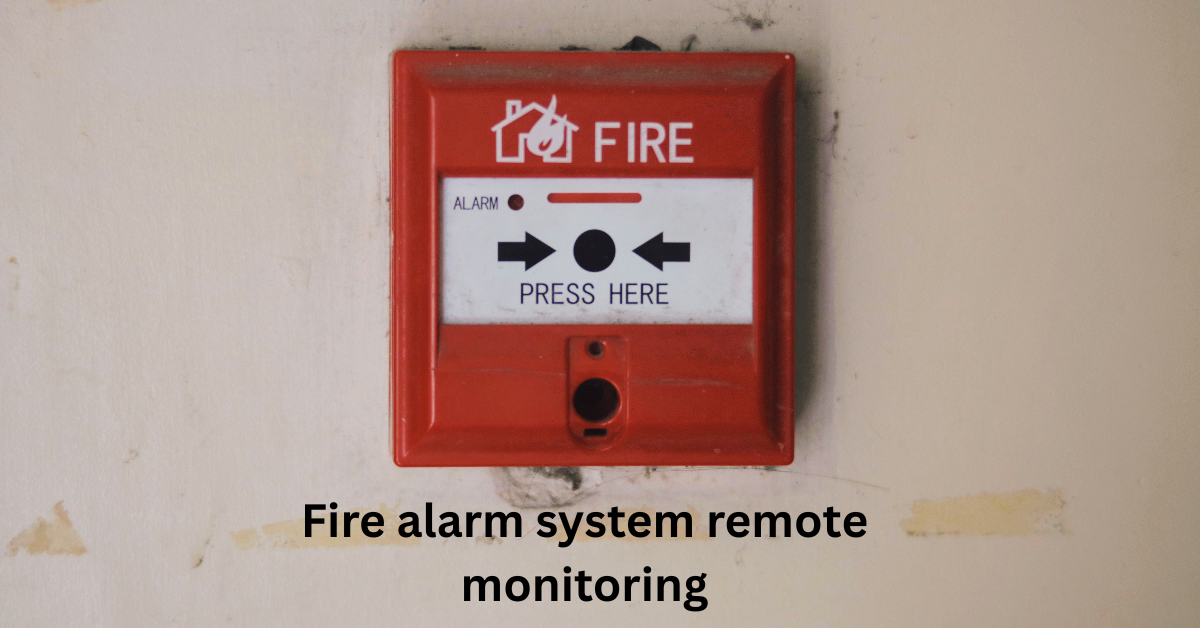
Best Fire alarm system remote monitoring
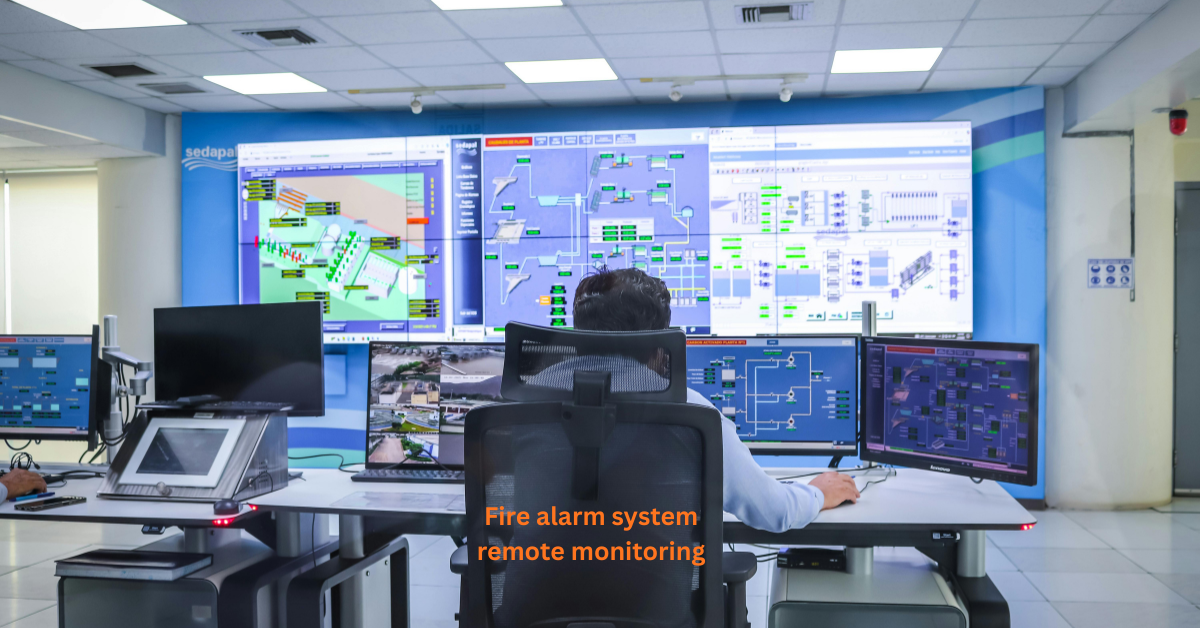
Fire alarm system remote monitoring refers to the ability to monitor, control, and receive alerts from a fire alarm system through the internet or secure communication networks. Instead of relying only on on-site panels, system status and alerts are transmitted to remote dashboards, mobile apps, or monitoring centers.
This approach ensures that alerts are not missed, even if the building is unoccupied or if staff are not physically present at the location. Remote monitoring transforms a traditional fire alarm into a proactive safety solution that operates 24/7.
How Fire Alarm System Remote Monitoring Works
Sensors and Detection Devices
Fire alarm systems use smoke detectors, heat sensors, flame detectors, and manual call points. When these devices detect a potential fire threat, they send signals to the fire alarm control panel.
Fire Alarm Control Panel (FACP)
The control panel processes signals from sensors and determines whether an alarm condition exists. In a remote monitoring setup, this panel is connected to a communication module.
Communication Network
Data is transmitted using:
- Internet (Ethernet or Wi-Fi)
- Cellular networks
- Secure cloud servers
Remote Monitoring Platform
Authorized users can access system status through:
- Web dashboards
- Mobile applications
- Central monitoring stations
This allows instant visibility into alarms, faults, and system health from anywhere.
Key Benefits of Fire Alarm System Remote Monitoring
1. Real-Time Alerts and Faster Response
Immediate notifications via SMS, email, or app alerts help ensure faster emergency response, reducing damage and risk to life.
2. 24/7 Monitoring and Peace of Mind
Even when a building is closed or unoccupied, the system remains actively monitored.
3. Reduced False Alarms
Remote diagnostics allow facility managers to identify issues quickly and avoid unnecessary emergency dispatches.
4. Compliance and Reporting
Automatic logs and reports help meet fire safety regulations and inspection requirements.
5. Cost Efficiency
Early detection and faster response reduce property damage, insurance claims, and downtime.
Industries That Benefit from Remote Fire Alarm Monitoring
Commercial Buildings
Offices, malls, and business complexes require constant monitoring due to high occupancy and valuable assets.
Industrial Facilities
Factories and warehouses benefit from early detection in high-risk environments with flammable materials.
Healthcare Facilities
Hospitals and clinics need uninterrupted monitoring to protect patients and sensitive equipment.
Educational Institutions
Schools and universities require centralized monitoring across multiple buildings.
Residential Complexes
Apartments and gated communities gain enhanced safety with centralized alerts and management access.
Features to Look for in the Best Remote Monitoring Solution
When selecting the best fire alarm system remote monitoring solution, consider the following features:
Cloud-Based Dashboard
A user-friendly interface that shows system status, alarms, and historical data.
Mobile Accessibility
Real-time alerts and control through smartphones and tablets.
Integration Capabilities
Compatibility with:
- Building Management Systems (BMS)
- CCTV and access control
- Emergency notification systems
Scalability
Ability to monitor multiple sites from a single platform.
Cybersecurity
Encrypted communication and role-based access control to prevent unauthorized access.
Installation and Setup Considerations
System Compatibility
Ensure your existing fire alarm system supports remote communication modules or upgrades.
Network Reliability
A stable internet or cellular connection is essential for uninterrupted monitoring.
Professional Installation
Certified technicians should handle installation to ensure compliance with fire safety standards.
Staff Training
Facility managers and safety officers should be trained to use dashboards and respond to alerts.
Remote Monitoring vs Traditional Fire Alarm Systems
| Feature | Traditional System | Remote Monitoring System |
|---|---|---|
| Alert Visibility | On-site only | Anywhere, anytime |
| Response Time | Dependent on presence | Immediate |
| Reporting | Manual | Automated |
| Scalability | Limited | High |
| Maintenance | Reactive | Proactive |
Remote monitoring clearly offers superior control and faster response compared to traditional systems.
Role of Remote Monitoring in Fire Safety Compliance
Fire safety regulations increasingly emphasize proactive monitoring, regular testing, and proper documentation. Remote monitoring systems automatically log:
- Alarm events
- Fault conditions
- Maintenance activities
These records help organizations demonstrate compliance during audits and inspections.
Future of Fire Alarm System Remote Monitoring
The future includes:
- AI-driven fire detection
- Predictive maintenance alerts
- Deeper integration with smart building ecosystems
- Advanced analytics for risk assessment
As smart cities and IoT adoption grow, remote fire alarm monitoring will become a standard rather than an option.
Why Businesses Are Upgrading to Smart Monitoring
Businesses choose the best fire alarm system remote monitoring solutions because they provide:
- Improved safety outcomes
- Operational transparency
- Reduced liability risks
- Centralized control across locations
This shift reflects a broader move toward intelligent, data-driven safety systems.
Common Challenges and How to Overcome Them
Connectivity Issues
Solution: Use dual communication paths (internet + cellular).
System Complexity
Solution: Choose platforms with intuitive dashboards and proper training.
Data Security Concerns
Solution: Select systems with strong encryption and regular security updates.
Choosing the Right Provider
To select the best fire alarm system remote monitoring provider:
-
Verify certifications and compliance standards
-
Check system compatibility
-
Review customer support and response times
-
Ask for demo access or trial dashboards
A reliable provider ensures long-term safety and system reliability.
Frequently Asked Questions (FAQs)
What is fire alarm system remote monitoring?
It is a technology that allows fire alarm systems to be monitored and managed remotely through internet or cellular networks, providing real-time alerts and system visibility.
Is remote monitoring suitable for small businesses?
Yes, small businesses benefit greatly from faster alerts, reduced risks, and lower long-term costs.
Does remote monitoring replace on-site alarms?
No, it complements on-site alarms by adding remote visibility and control.
How secure are remote fire alarm systems?
Modern systems use encrypted communication and secure authentication to protect data.
Can remote monitoring reduce false alarms?
Yes, remote diagnostics help identify faults quickly and reduce unnecessary emergency responses.
Conclusion
Fire safety has evolved beyond basic alarms into intelligent, connected systems. Investing in fires alarm system remote monitoring is a strategic decision that enhances safety, ensures compliance, and provides peace of mind. By choosing the best fire alarm system remote monitoring solution, organizations can protect people, property, and operations more effectively in an increasingly connected world.